

What Is OLED?
What is OLED?
In the state of high-stop displays, OLED — or organic light-emitting diode — technology is considered the elevation of picture quality.
Just look at a recent phone like the iPhone 13 Pro Max, and it's easy to come across why. From awesome color saturation and ultrawide viewing angles to perfect blacks, OLED screens brand nigh regular LCD displays look apathetic.
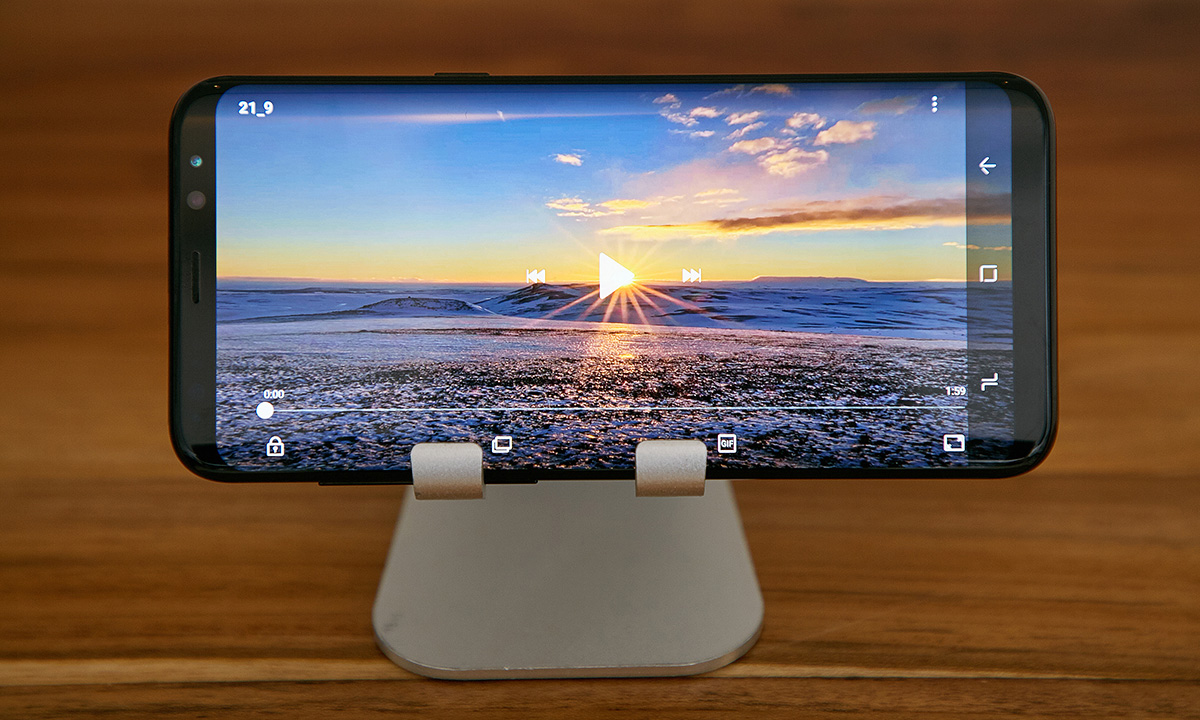
The latest trend is bigger and better OLED screens, which have constitute a home on everything from the all-time OLED TVs to laptops and smartwatches. And OLED screens make the best phones look better than ever before.
Merely what is it about OLED that makes it stand out, and can anything else compete with it?
What is OLED, and how does information technology work?
OLED engineering contrasts starkly with LCD and plasma displays. Dissimilar other screen technologies, OLED displays use organic compounds that include carbon and other ingredients to create colors. Each colour represented on the screen has a different mixture of carbon and other elements.
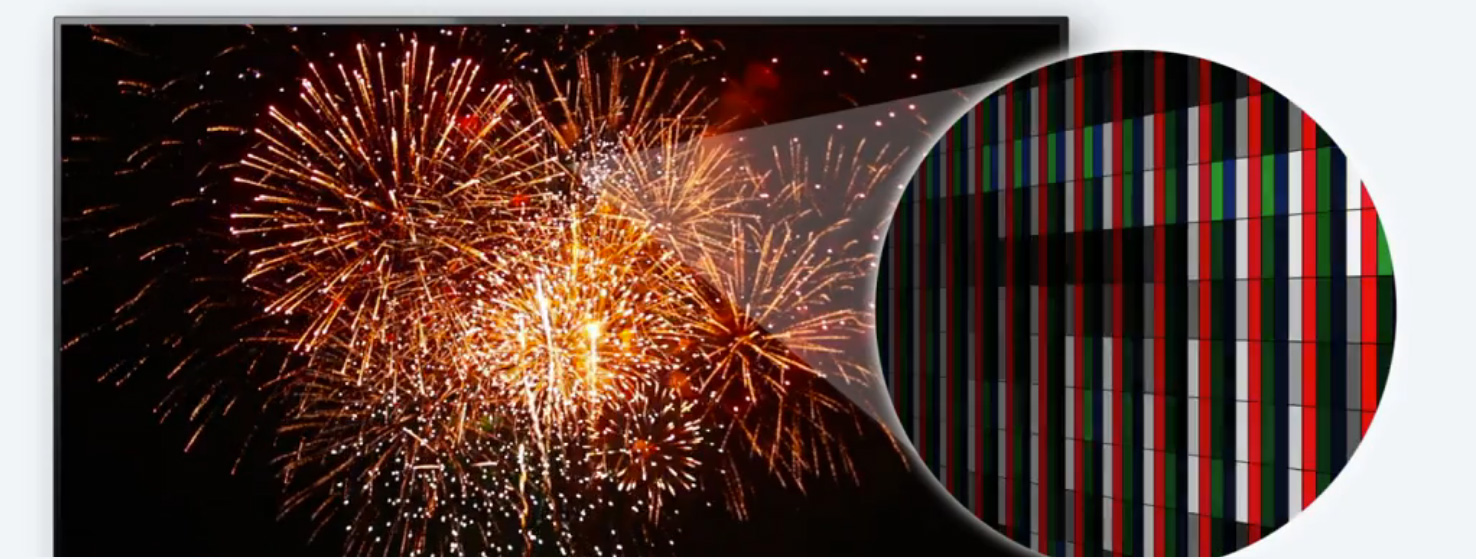
When you turn on your Tv or smartphone, the electricity activates the OLEDs sitting within your display, which light up or plow off based on what the picture calls for.
Because OLED doesn't require a backlight, it's considered an emissive technology. That singular feature — the ability for OLEDs to turn completely off — creates so-called true blacks.
When a motion-picture show calls for black, an OLED will turn off and create a truthful black. By contrast, LCD panels, such as those institute on most flat-screen TVs, require LED backlighting, which ways blackness areas of the screen will still showroom some degree of lite.
Because OLEDs don't require this extra layer of LEDs, manufacturers can make the panels very thin and easily bendable, allowing the engineering to be used for both wafer-like displays, such as the LG W7 "Wallpaper" TV, and curvy screens, such as the Samsung Galaxy S8.
How does OLED compare to other technologies?
Because they don't crave backlighting, OLED panels can be much thinner than other brandish technologies. After years of waiting, LG has finally brought it's astonishing rollable OLED TV to market. The screen uses a super-thin OLED display printed on flexible drinking glass, letting it curlicue up to store when not in utilise. No other screen technology can accept advantage of flexible drinking glass panels in the same style.
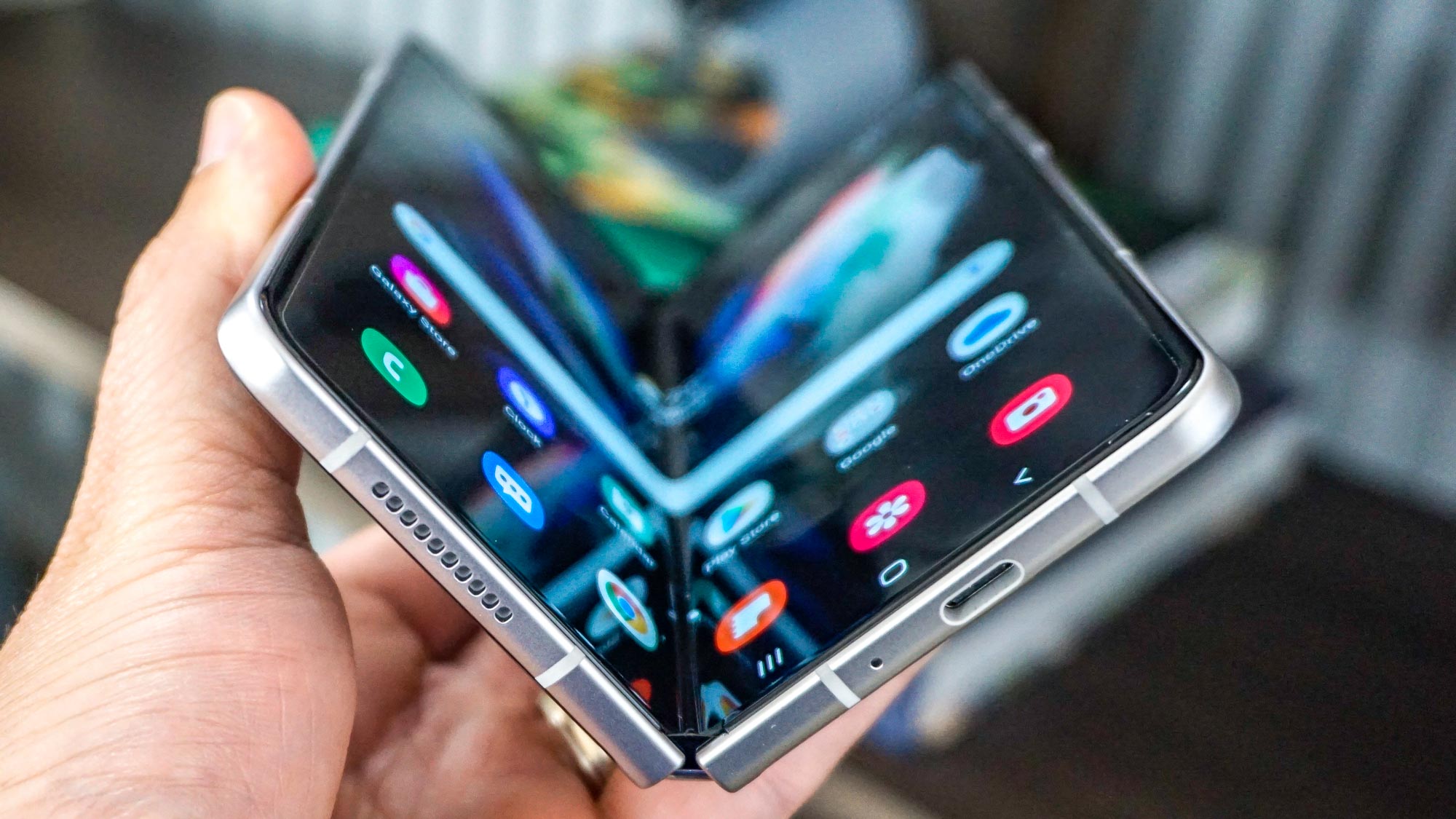
The thinness of OLED panels allows the technology to exist used for curved and even folding screens, every bit seen in the all-time foldable phones.
However, OLED screens present some challenges to the companies that produce them. In fact, only a handful of companies, including LG Display and Samsung Display, currently make OLEDs.
OLED panels are by and large fragile, and product methods are far from perfect. Even as Apple tree relies on Samsung OLED displays for it's electric current iPhones, there are reports that the company is investing heavily in microLED technology equally an alternative to OLED screens in its phones and wearables.
While manufacturing is ramping up and yields are getting amend, those challenges take pushed prices up. If you're looking to buy an OLED-equipped device, expect to shell out some serious cash.

On the picture side, you can expect OLEDs to give you better blacks than any other screen engineering. And at least and then far, OLEDs have proved to deliver outstanding colour accuracy. However, OLED panels can't output as much light as LCD displays tin, which makes them harder to encounter in brighter surroundings.
Older OLED TVs had some input-lag problems, making it harder for them to refresh the screen in time for fast-action sports or video games. That, in plough, meant gamers and sports fans would find a better solution with a engineering like plasma.
All the same, LG has been making some improvements to input-lag performance in its televisions, and the technology is quickly catching up to competitors.
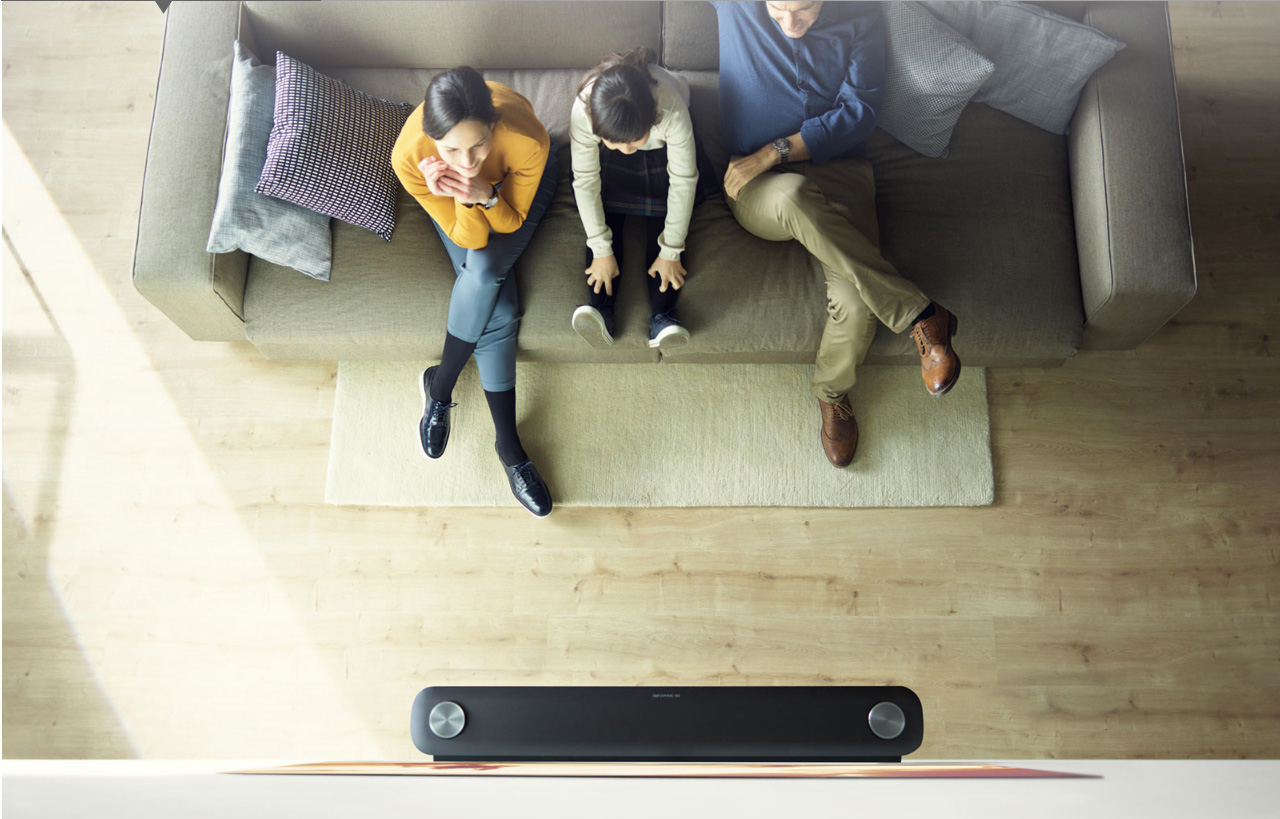
Finally, if you plan to put your television in a room where some people aren't sitting right in front of it, consider an OLED. It has the best viewing angles of any screen technology in the television industry.
For a closer await at how OLED TVs stack upwardly against other technologies, check out how many OLED models take wound up on our list of the best TVs. And you lot tin find out about OLED and new refinements on OLED technology in our articles LG OLED vs. OLED evo: Which Idiot box should you buy? or Micro-LED vs. OLED Idiot box: Which Boob tube tech will win?
Which devices have OLED screens?
On the television side, LG and Sony are amidst the more than prominent companies offering OLED televisions. LG, for instance, is selling a slew of OLED sets that vary in screen size and price. From the ultra-slim LG G1 OLED TV to the stunning new Rollable Television receiver, LG's TV are using OLED to push button the concept of what makes a TV further than ever before. And there are even some affordable OLED options, like the Vizio OLED Idiot box, which sometimes sells for under $i,000.
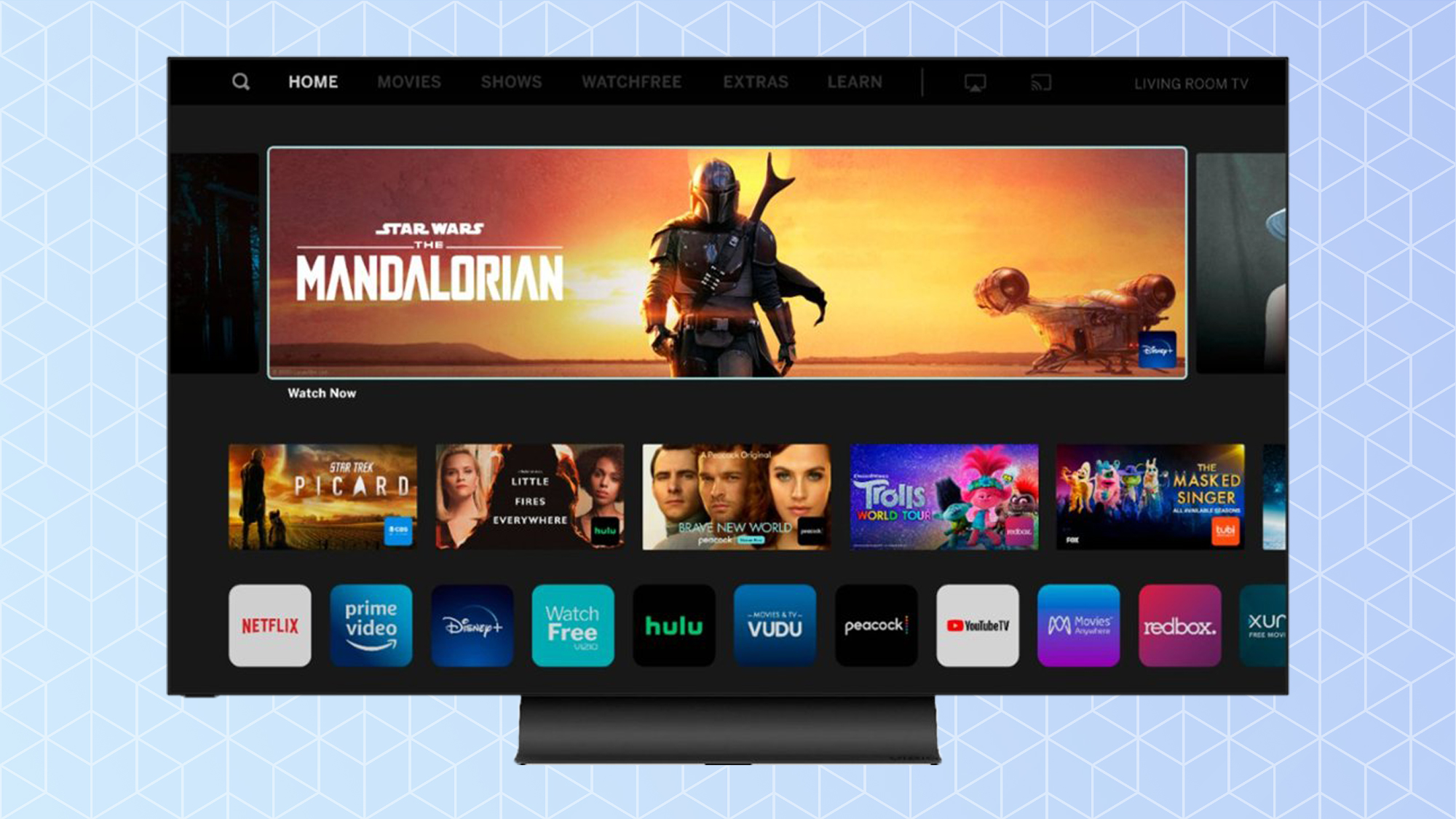
Sony, meanwhile, offers the Bravia XR A80J OLED, which earned an Editor's Choice laurels for its stunning picture quality, and sells for merely $1,799. It's not even Sony's all-time OLED TV.
Beyond that, at that place are several phones and other mobile devices that offer OLED displays. Flagship phones, like the Apple iPhone thirteen Pro Max, the Samsung Galaxy S21 Ultra and the Google Pixel 5a all come with OLED screens.
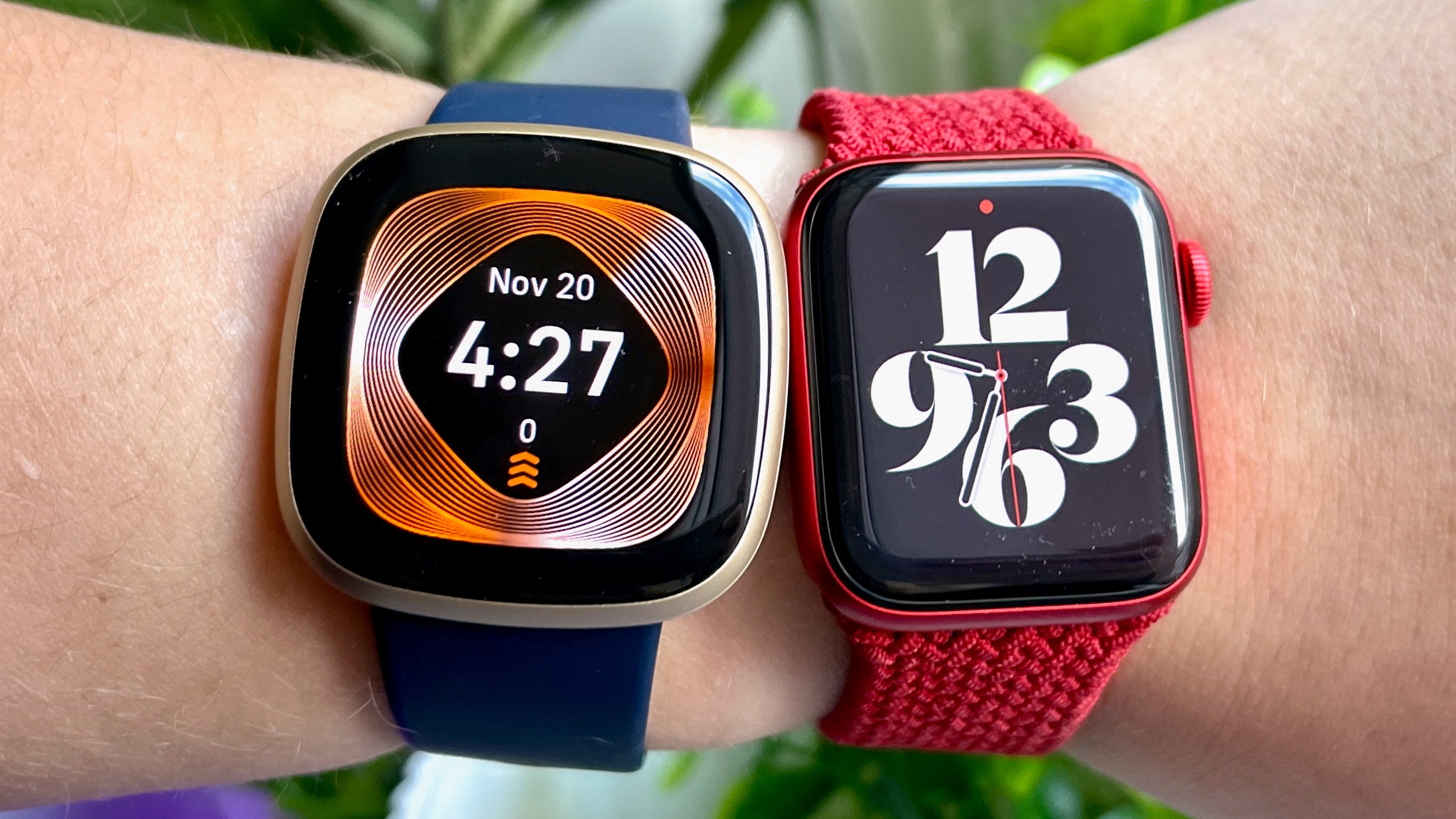
In the wearables market, several devices come up with OLED screens, including the Apple Watch Series 6, the Samsung Galaxy Watch 4 and the Fitbit Sense.
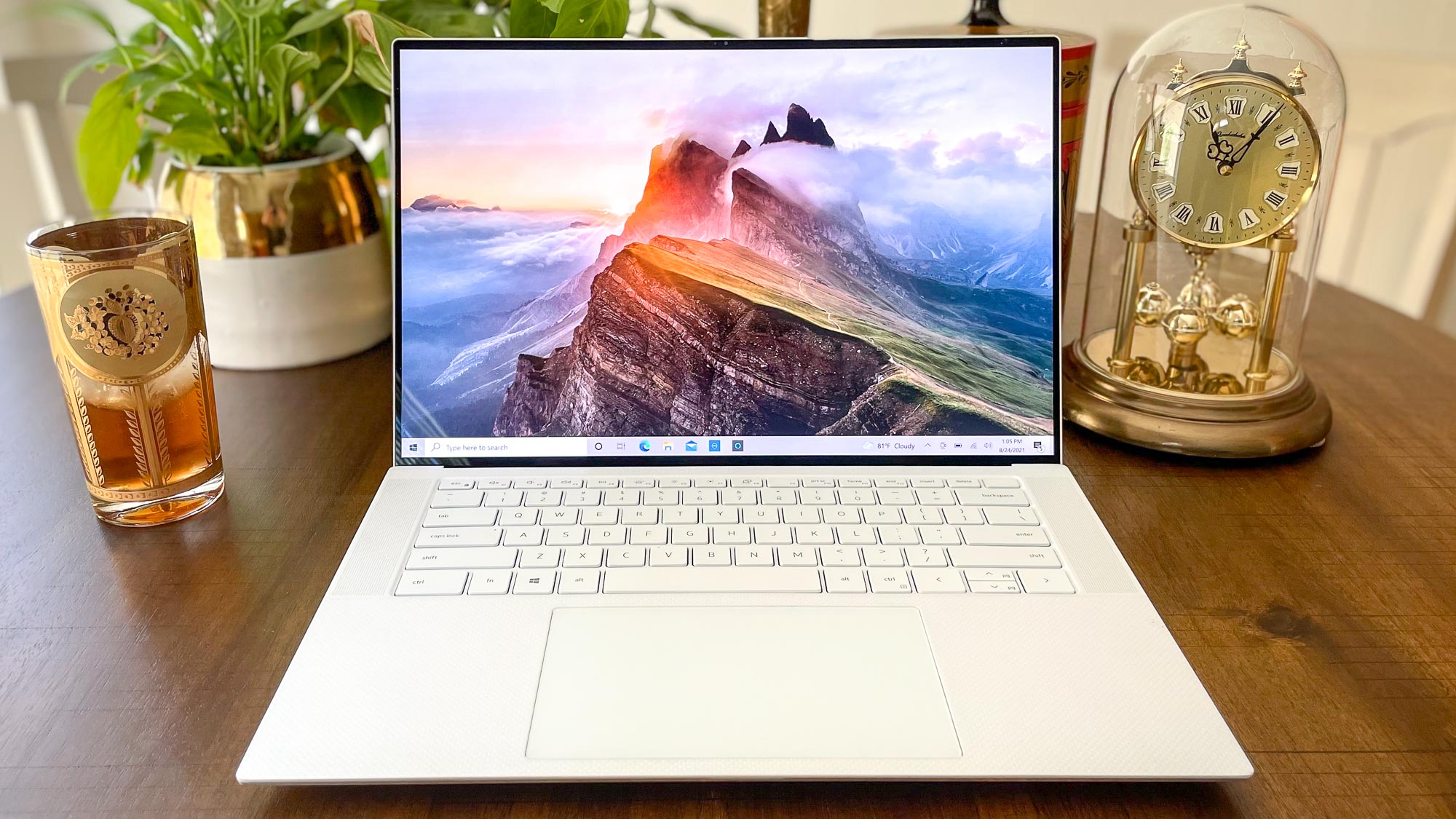
On the laptop forepart, OLED screens have cropped upwards on gaming laptops like the Alienware m15 R4 and Razer Blade 15, too every bit productivity-minded laptops, similar the Dell XPS xv OLED (2021).
If you lot're in the market for an OLED monitor, check out the Asus ProArt PQ22UC.
What should I await from an OLED picture?
We haven't tested every OLED screen out there, so it's incommunicable to say you'll get a fantastic visual experience every time. Merely in some of those higher-end televisions and handsets we've tested, OLED screens deliver beautiful pictures.
With OLED, you tin expect pure black, because the OLEDs turn off whenever they demand to create the color. OLEDs don't get quite as brilliant as better LCD sets, just OLEDs are by and large plenty vivid for most users.
OLED viewing angles should be outstanding, assuasive you to place an OLED television anywhere in the domicile and still get an appealing visual experience. In fact, OLEDs have the best viewing angles of any screen technology correct now.
All OLED televisions have 4K resolution and high dynamic range, or HDR, to improve colour accuracy. Those technologies, coupled with OLED's inherent functionality, work together to create bonny pictures.
More: Here's Where You lot Tin Go HDR Content on Your Phone or Goggle box
But this superior technology doesn't come up inexpensive: Expect to shell out some serious cash for OLED devices. As noted, OLED televisions cost thousands of dollars more than than run-of-the-mill LCDs. And at least right now, at that place are no signs of OLED television receiver pricing coming downward anytime soon.
Should I buy an OLED device?
If you accept the greenbacks and don't heed spending significant sums to get a loftier-terminate brandish in a new device, choosing an OLED production makes some sense. OLED-equipped phones are a no-brainer, if you lot don't mind paying a premium.
OLEDs provide device makers with more flexibility, allowing them to create more compelling product designs, all while delivering unparalleled picture quality. And since OLED screens are often amid the best-looking options on the marketplace, the visual experience they evangelize is more often than not outstanding.
Still, if price is a factor in your decision making, OLED devices might not exist for you. There are a slew of devices with LED and LCD screens that can come close to matching the visual feel you'd arrive an OLED brandish. For instance, Samsung is investing heavily in quantum-dot engineering, which has some advantages over OLED, specifically in terms of brightness.
Overall, though, OLED is an excellent engineering science that most users would be pleased to have in their devices.

Source: https://www.tomsguide.com/us/what-is-oled,news-25120.html
Posted by: rudolphlighad.blogspot.com
0 Response to "What Is OLED?"
Post a Comment